Biogas is mostly methane produced when microorganisms digest food waste without oxygen. It's an excellent fuel for heat and electricity, based on a renewable source, generated close to where it's needed, and it displaces fossil fuels.
The Pulpmaster food waste management process
Waste management is a global environmental and financial concern, and diverting waste from landfill matters more every year. Pulpmaster is an innovative system that turns commercial food waste into sustainable organic fertiliser and green energy.
How does the Pulpmaster system work?
The Pulpmaster product demonstration
Step by step
From the kitchen to the paddock
01
Food waste is generated
Cafés and restaurants, commercial kitchens and fruit and veg shops all generate large volumes of food waste.
02
Collected in caddies
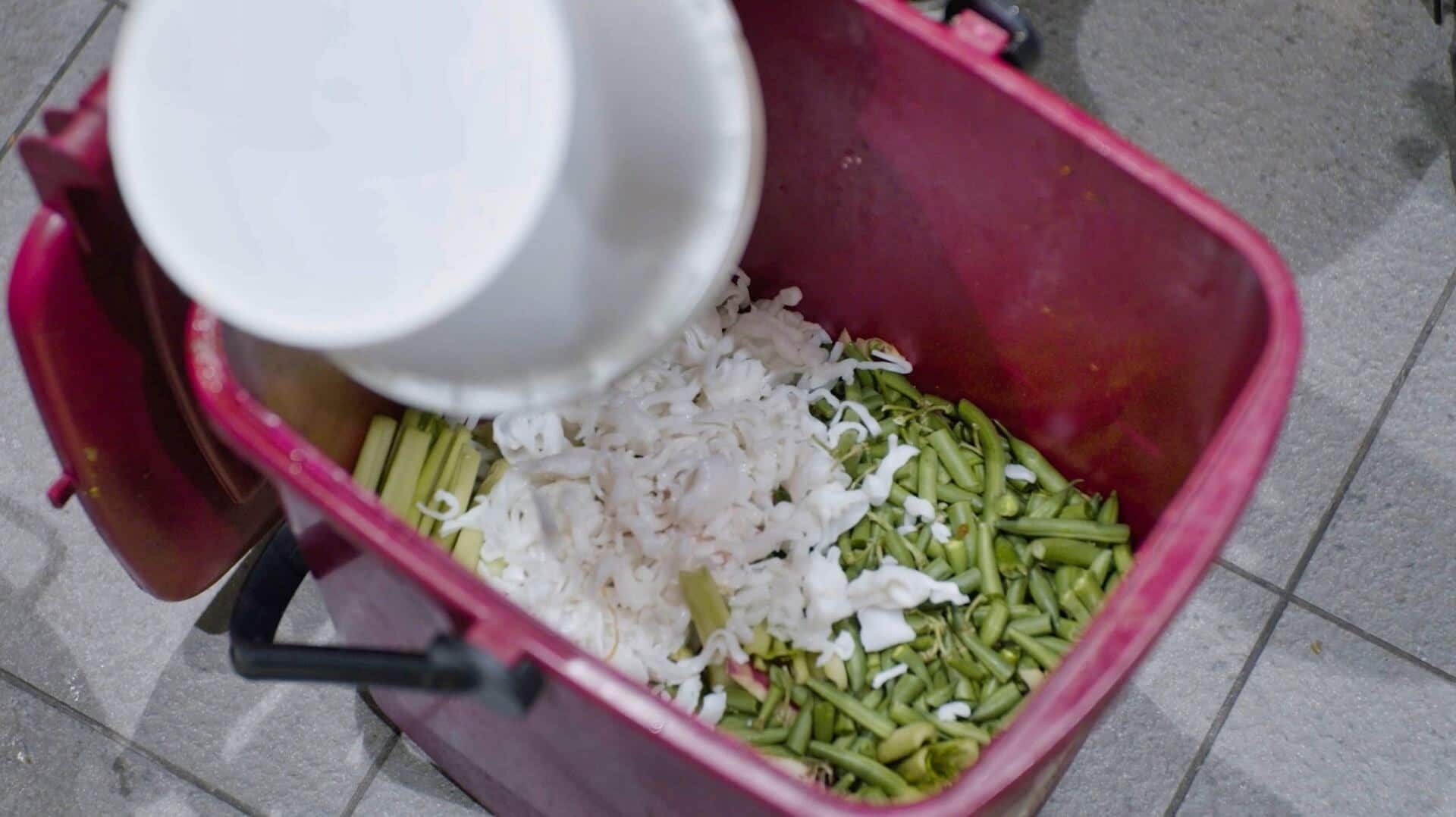
Waste is collected in our lightweight 23-litre caddy system, easy to manoeuvre around the kitchen.
03
Tipped in, Auto Start
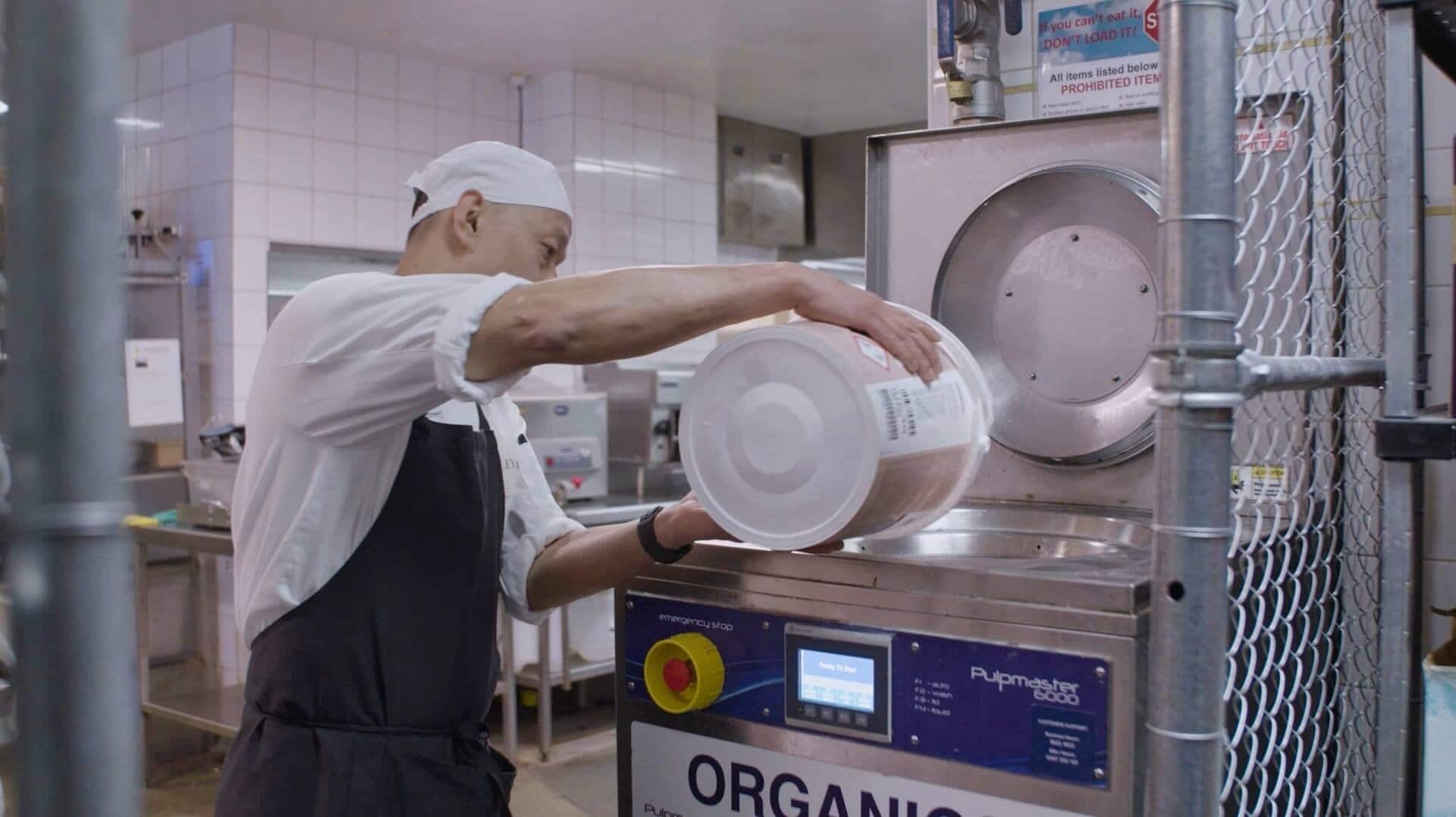
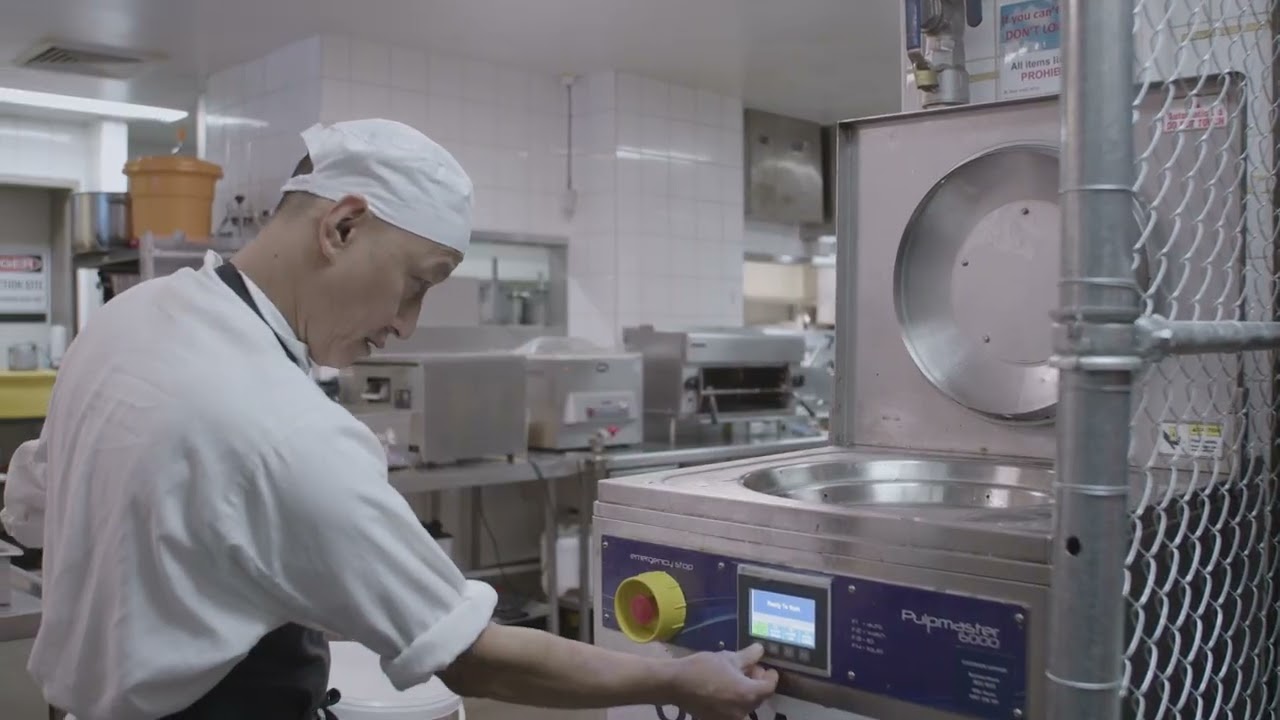
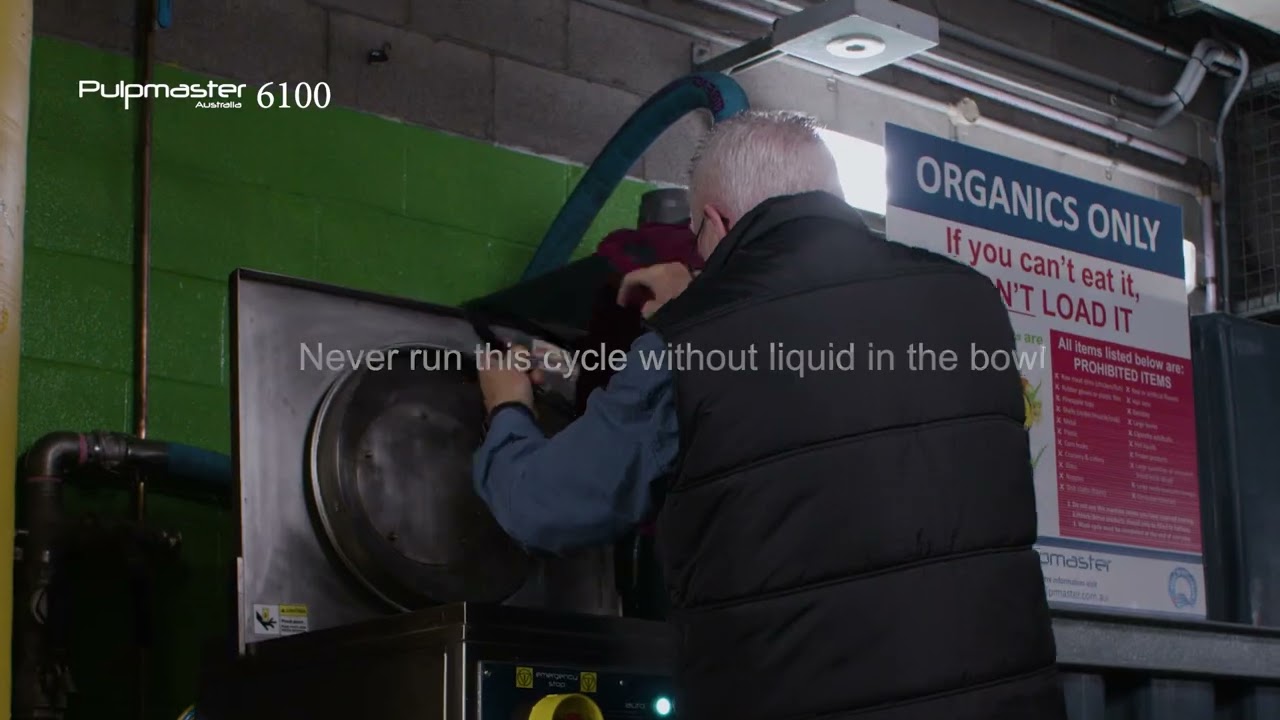
Waste is tipped into the Pulpmaster drum and the user presses Auto Start. The lid closes automatically so the unit is completely safe while it works.
04
Macerated into pulp
Food is pulped and pumped to a holding tank. Pulpmaster processes up to 1,000 litres of organic waste in 20 minutes.
05
Pumped out and collected
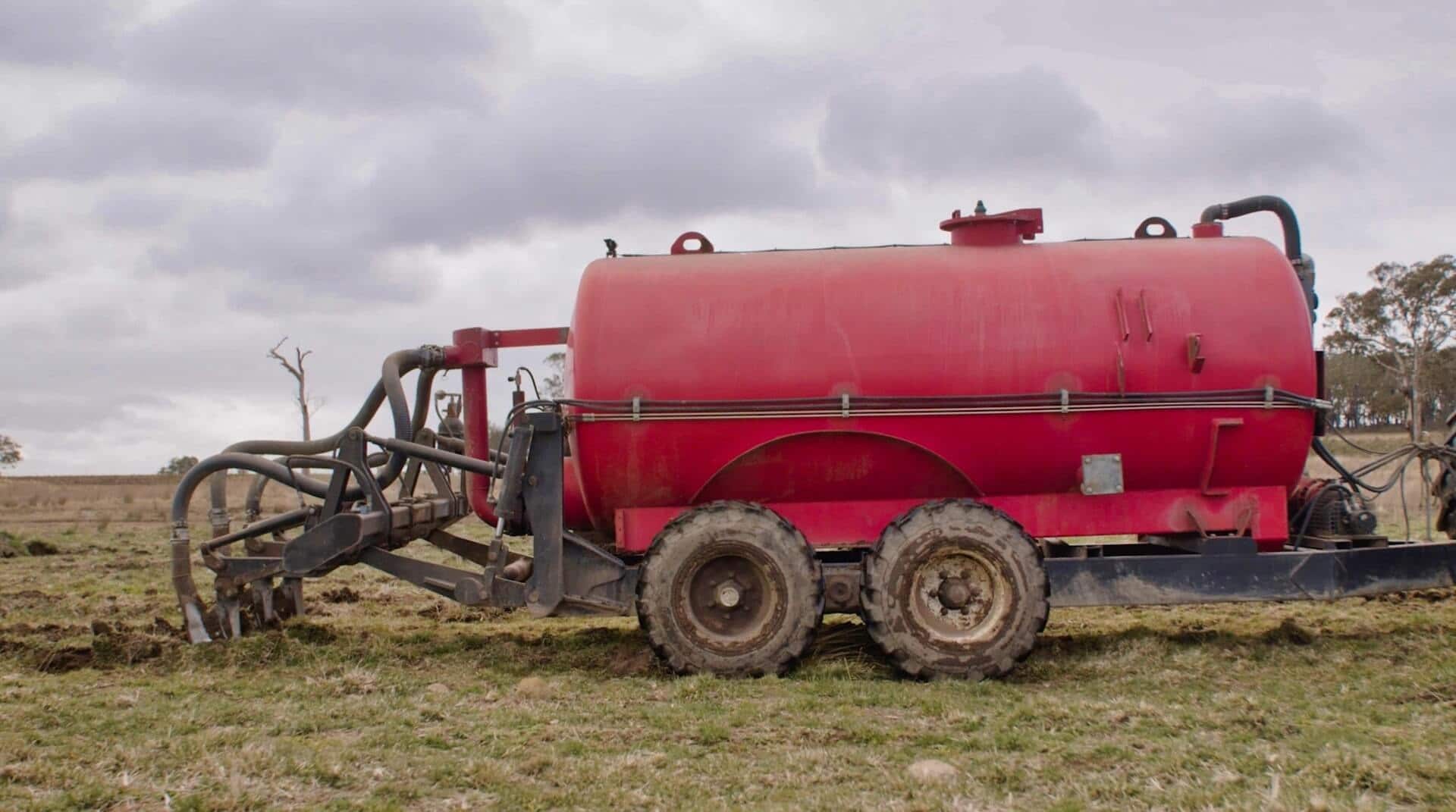
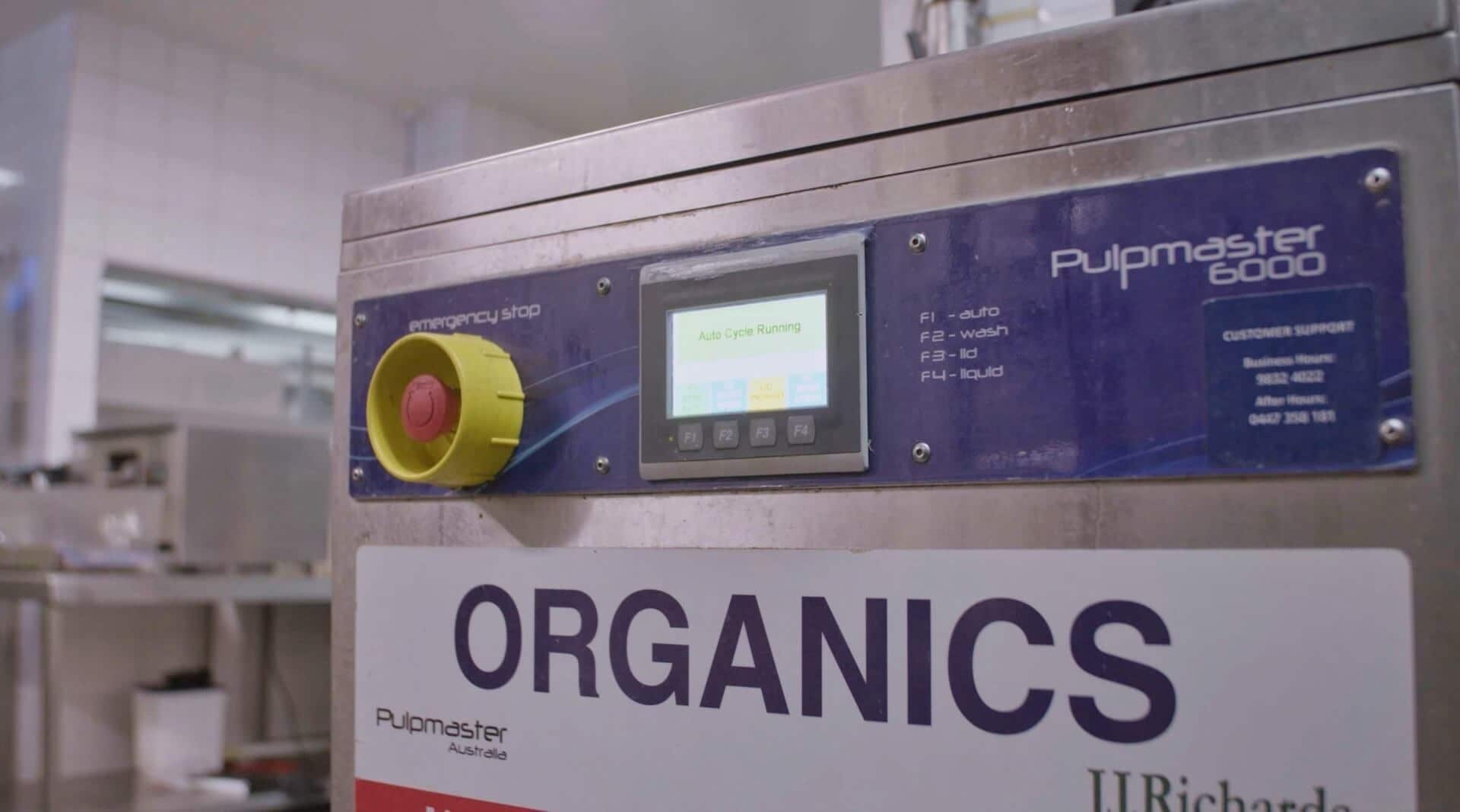
The LCD display shows the tank level as a percentage. When the tank is due, J.J. Richards attend site and vacuum the pulp out of the holding tank.
06
Digested and composted
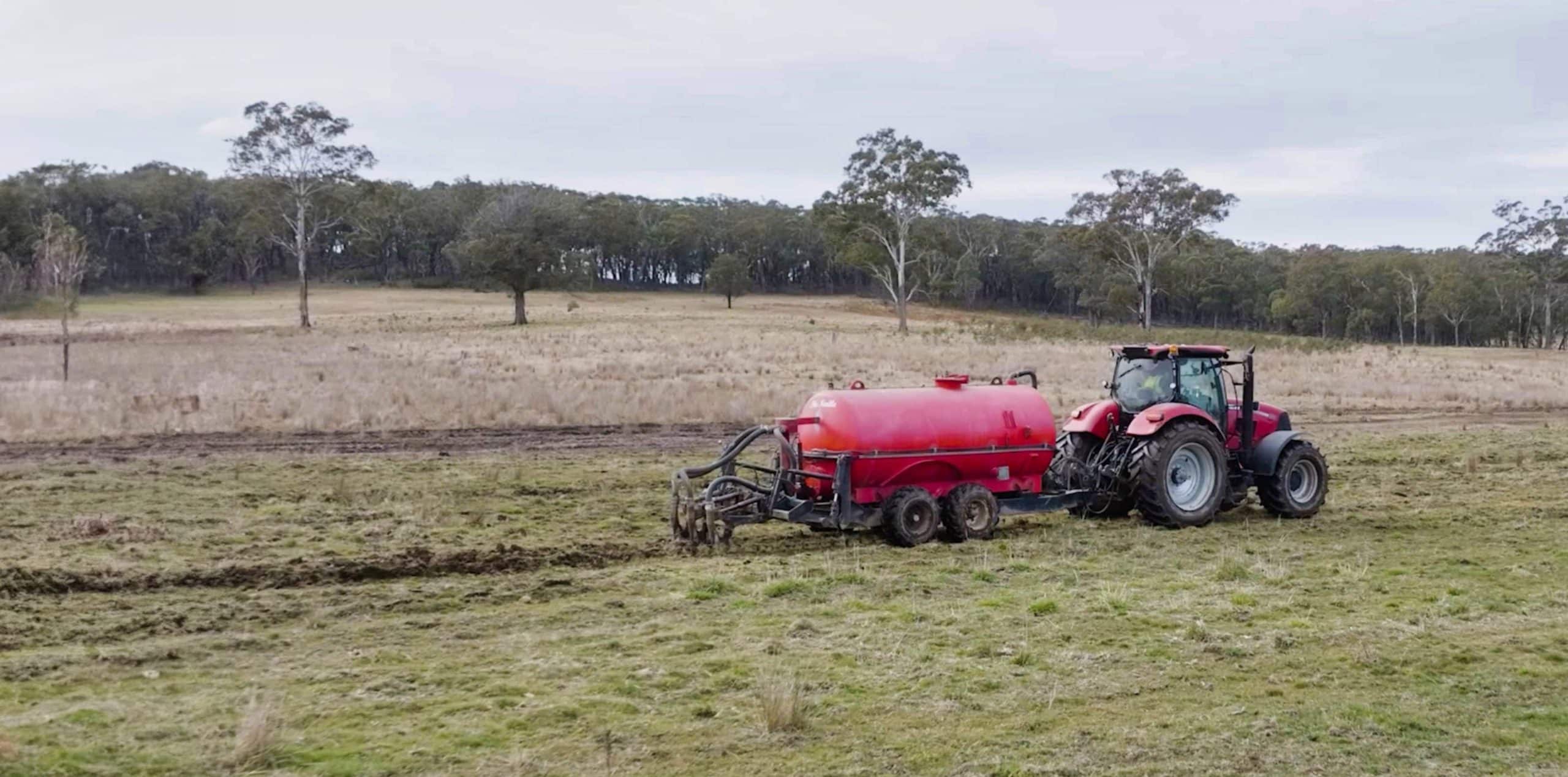
Pulp feeds anaerobic digesters to generate biogas for renewable energy, or goes to an organics recycling facility to become organic fertiliser.
07
Grown with Pulpmaster fertiliser
The fertiliser improves soil condition and nutrient levels, producing healthy, organically fed crops for the consumer market.
08
The result
Solid and liquid food waste recycled, landfill reduced, biofuel produced, and nutrient-rich organic crops grown.
Fitting the site
Laid out to suit tight docks and small kitchens
The machine and its holding tank do not have to sit side by side. We survey the site first and set the system out around the space you have, so a busy dock keeps its clear run for deliveries and bin movements.
Unit and tank apart
The unit sits where the waste is generated and the pulp is piped through to a holding tank placed wherever there is room — outside the building, in a plant room, or along a wall away from the dock.
Tank sized to the space
Holding tanks come in different sizes and profiles, so the tank can be tucked under a stair, into a corner or against a boundary rather than taking up a bin bay.
Clear access for collection
The fill point is positioned so the tanker can reach it without blocking the dock, keeping deliveries and bin movements running while the pulp is pumped out.
Environmental benefit
Waste separated at source, returned to the soil
The Pulpmaster system diverts food waste generated in a commercial kitchen from landfill. Separating the waste stream at source is efficient, effective and encourages best-practice waste management.
Landfilled food waste breaks down into methane, a strong greenhouse gas, and leachate that can reach groundwater. Pulpmaster reduces both, and reduces the need for new landfill sites.
Pulp is used by commercial composters to produce organic fertiliser, which returns nutrients to agriculture and supports organic and conventional farming. It can also feed anaerobic digesters, producing biogas for renewable electricity.